Surfaces Built to Survive Daily Use
Flooring Installation in Ellabell for spaces that need water resistance and long-term durability
Castle Painting & Construction installs LVP and ceramic tile flooring designed for the wear patterns typical in coastal Georgia homes. Kitchens, bathrooms, living areas, and commercial spaces require surfaces that withstand moisture exposure, foot traffic, and daily spills without warping or staining. Properties near Ellabell often face humidity challenges that make proper material selection and subfloor preparation essential to preventing failure within the first few years.
The installation process begins with subfloor leveling and moisture barrier application where needed, particularly in areas prone to groundwater influence or poor drainage. LVP offers dimensional stability in fluctuating humidity, while ceramic tile provides thermal mass and impact resistance in high-traffic zones. Both materials handle the wet conditions common in Savannah-area properties better than traditional hardwood or laminate options that buckle when exposed to repeated moisture.
Schedule a flooring consultation to evaluate subfloor condition and material suitability for your space.
What Proper Floor Prep Actually Requires
Subfloor leveling determines whether your floor remains flat five years after installation or develops gaps and uneven transitions that trap dirt and moisture. Any deviation beyond one-eighth inch over ten feet creates stress points where planks separate or tiles crack under load. Self-leveling compound fills low spots, and high areas are ground down before any finish material goes in place, ensuring the surface you walk on mirrors the structure beneath it.
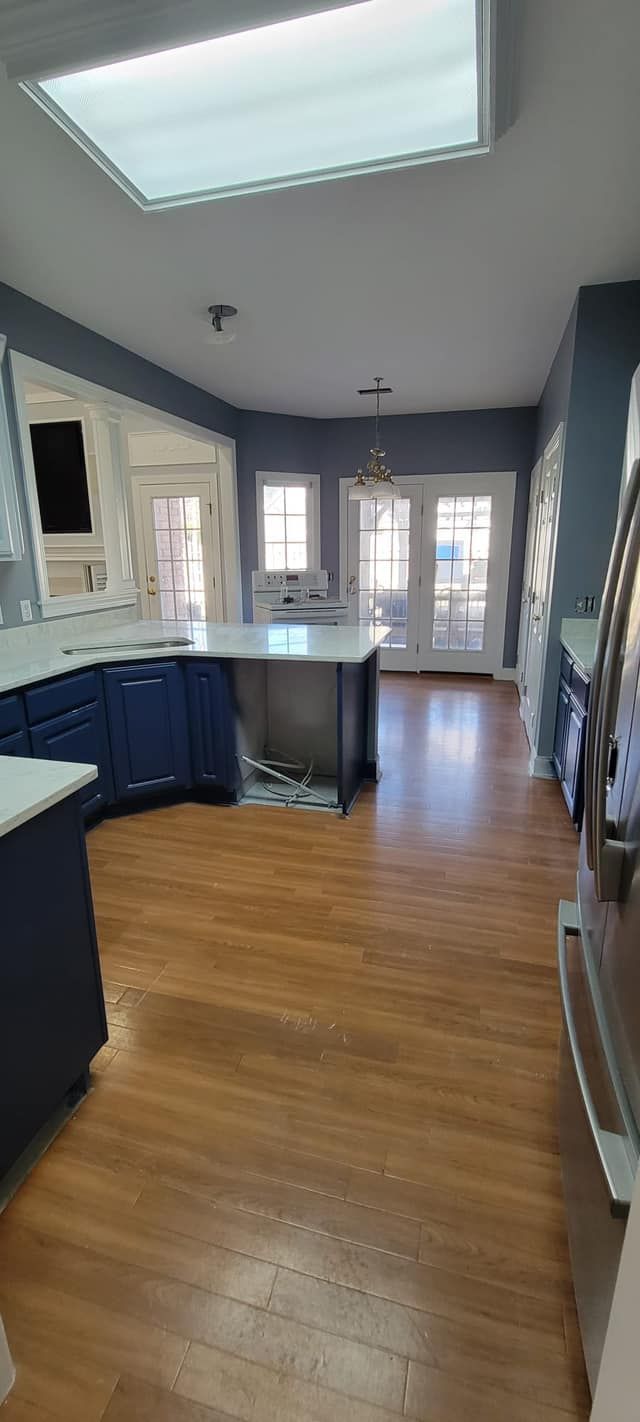
Once the floor is finished, you notice consistent height transitions between rooms, no hollow sounds when walking across the surface, and no flexing under furniture weight. Water spills sit on top of the material rather than seeping into seams, and cleaning involves wiping rather than scrubbing embedded grime from grout lines or plank gaps. The floor remains visually level even where the original subfloor had dips or settlement issues.
Different spaces require different approaches—ceramic tile works better in wet zones where impact resistance matters, while LVP handles temperature shifts and provides more comfort underfoot in living areas. Commercial installations often specify thicker wear layers and commercial-grade adhesives to handle rolling loads and constant foot traffic that would degrade residential-grade materials within months.
Questions Before Starting Your Flooring Project
Flooring decisions depend on the specific conditions in your space and how you use the area daily. The following addresses common considerations for properties in Ellabell and surrounding areas.
What preparation work happens before flooring installation begins?
The existing floor is removed if necessary, the subfloor is inspected for rot or structural issues, and leveling compound is applied to correct any unevenness. Moisture barriers are installed in areas where groundwater or humidity could affect adhesive performance.
How does LVP compare to ceramic tile in terms of durability?
LVP resists denting and provides a softer surface underfoot, but ceramic tile handles higher impact loads and extreme temperature changes without degrading. Tile also performs better in spaces with direct water exposure, such as shower surrounds or exterior entryways.
Why does subfloor condition matter more than the finish material?
Even high-quality flooring fails if installed over an uneven or compromised subfloor, since movement and flexing break adhesive bonds and crack rigid materials. Addressing structural issues before installation prevents callbacks and premature replacement.
When should flooring be replaced rather than repaired?
If more than thirty percent of the floor shows visible damage, lifting, or water staining, replacement usually costs less than patching and matching discontinued styles. Homes near Ellabell with older flooring often have underlying moisture issues that require full removal to access and correct.
What finish options work best for high-traffic commercial spaces?
Commercial-grade LVP with a twenty-mil wear layer or porcelain tile rated for heavy commercial use both handle the repetitive loading that wears through residential products. Matte finishes hide scuffs better than high-gloss surfaces in areas with constant foot traffic.
Castle Painting & Construction manages flooring installation as a standalone service or integrates it into larger remodel projects that address multiple interior upgrades simultaneously. Request a detailed estimate based on your current subfloor condition and material preferences.